
 Adult



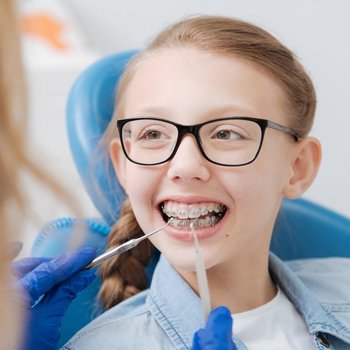

Even with regular brushing and flossing, some areas of your child’s teeth are simply harder to keep clean. The back teeth, especially the molars, have small grooves and pits where food and bacteria can collect. For children who are still developing their brushing skills, these areas can be particularly vulnerable to cavities.
Dental sealants offer an extra layer of protection. They’re applied directly to the chewing surfaces of the back teeth, creating a barrier that helps keep cavity-causing bacteria and food particles out of those hard-to-reach grooves.
For many parents, the big question is whether dental sealants are really necessary if their child already has good oral hygiene habits. While every child is different, sealants can be a valuable preventive tool for protecting developing smiles and reducing the risk of cavities.
What Are Dental Sealants?
Dental sealants are thin, protective coatings applied to the chewing surfaces of teeth, most commonly the permanent molars. Once applied, the material flows into the tooth’s natural pits and grooves and hardens, creating a smoother surface that’s easier to keep clean.
Why Are Children More Prone to Cavities?
Children can develop cavities for many of the same reasons adults do, but growing smiles come with a few additional challenges. Newly erupted permanent teeth, developing oral hygiene skills, and eating habits can all make it easier for plaque and bacteria to accumulate. Understanding these risk factors can help parents take extra steps to protect their child’s teeth.
Deep Grooves in Permanent Molars
Permanent molars have natural pits and grooves that help with chewing, but these tiny spaces can also trap food particles and bacteria. Some grooves are narrow enough that toothbrush bristles have difficulty reaching the bottom. As plaque collects in these areas, the risk of tooth decay increases. Dental sealants help cover these vulnerable surfaces with a protective barrier.
Developing Brushing and Flossing Skills
Learning to brush and floss thoroughly takes time and coordination. Younger children may rush through brushing, miss their back teeth, or have difficulty reaching certain areas of their mouth. Even as children become more independent, parents may need to supervise their routine and help with areas they consistently miss until their brushing and flossing skills improve.
Frequent Snacking and Sugary Foods
Children who frequently snack or sip sugary beverages throughout the day may have a higher risk of cavities. Each time sugar or carbohydrates are consumed, bacteria in the mouth produce acids that can weaken tooth enamel. Limiting frequent snacking, choosing tooth-friendly foods, and encouraging water between meals can help reduce repeated acid exposure.
Why Molars Can Be Difficult to Keep Clean
Molars sit toward the back of the mouth, making them more difficult for children to see and reach with a toothbrush. Their uneven chewing surfaces also provide more places for plaque to hide compared with smoother front teeth. Extra attention during brushing, along with preventive treatments such as fluoride and dental sealants when recommended, can help keep these important teeth protected.
What Are the Benefits of Dental Sealants for Kids?
Dental sealants give children an additional layer of protection during the years when they may be especially vulnerable to cavities. By covering the deep pits and grooves of the back teeth, sealants can make these surfaces easier to keep clean and reduce opportunities for decay to develop. They’re a simple preventive measure that can support your child’s everyday oral hygiene routine.
Creating a Protective Barrier Against Decay
Dental sealants form a thin coating over the chewing surface of the tooth, covering the small pits and grooves where food particles and bacteria can collect. This barrier helps prevent cavity-causing bacteria from settling into these vulnerable areas. The tooth remains completely functional, but its chewing surface has an added layer of protection against decay.
Protecting Hard-to-Reach Areas
Even children who brush regularly can have difficulty cleaning every part of their back teeth. Toothbrush bristles may not reach deeply into the narrow grooves of the molars, leaving behind plaque and food particles. Sealants cover these difficult-to-clean areas, helping protect parts of the tooth that may otherwise remain vulnerable despite consistent brushing.
Reducing the Risk of Future Cavities
Sealants can significantly reduce the likelihood of cavities developing in the chewing surfaces of permanent molars. This protection can be particularly helpful during childhood and adolescence, when oral hygiene habits are still developing. Sealants work best as part of a complete preventive routine that also includes fluoride toothpaste, flossing, healthy eating habits, and regular dental checkups.
Avoiding More Extensive Dental Treatment
Preventing a cavity is generally much simpler than treating one after decay has developed. By reducing the risk of cavities in vulnerable teeth, sealants may help children avoid fillings and the need for more extensive dental treatment if decay progresses. Protecting permanent molars early can also help preserve healthy tooth structure for years to come.
What Happens When Dental Sealants Are Applied?
Getting dental sealants is a quick and straightforward process that can usually be completed during a routine dental visit. The treatment doesn’t require drilling into the tooth or removing healthy tooth structure. Instead, the tooth is cleaned and prepared before the sealant is carefully applied to its chewing surface and hardened in place.
Cleaning and Preparing the Tooth
Before applying a sealant, the tooth is thoroughly cleaned to remove plaque and food particles from its surface. The tooth is then dried, and a special solution is applied briefly to help prepare the enamel so the sealant can bond properly. After the solution is rinsed away, the tooth is dried again and kept free of moisture.
Applying the Sealant Material
Once the tooth is prepared, the dentist applies the liquid sealant material directly to the chewing surface. The material flows into the natural pits and grooves of the tooth, covering areas where bacteria and food particles can easily become trapped. Only a thin layer is needed to create the protective barrier.
Hardening and Checking the Sealant
After the sealant is applied, a special curing light is typically used to harden the material. The process takes only a short time. The dentist then checks the sealant to make sure it has bonded properly and evaluates your child’s bite. Once everything looks and feels right, the tooth is ready to use normally.
Is Getting Dental Sealants Painful?
Dental sealants are generally painless because the treatment is performed on the surface of the tooth without drilling or injections. Your child may notice some unfamiliar tastes or sensations during the application, but the process itself should not hurt. Most children can return to their usual activities immediately after their appointment.
Are Dental Sealants Safe for Children?
Dental sealants have been used for decades as a preventive treatment for children and are considered safe when applied appropriately. Because the material stays on the chewing surface of the tooth, sealants provide targeted protection without changing the structure of a healthy tooth. Parents who have questions about the materials or application process should always feel comfortable discussing them with their child’s dentist.
Materials Used in Dental Sealants
Most dental sealants are made from resin-based materials or glass ionomer materials designed specifically for use on teeth. Once applied, the material hardens into a thin protective coating over the pits and grooves of the tooth. The type of sealant used can vary depending on the child’s teeth, age, cavity risk, and the dentist’s recommendation.
Addressing Common Safety Concerns
Some parents have questions about ingredients such as BPA in certain resin-based dental materials. According to the American Dental Association, the potential exposure to BPA from dental sealants is very low and brief. For most children, the cavity-prevention benefits of sealants outweigh concerns associated with this limited exposure. Parents can also ask their dentist about the specific sealant material being used if they have concerns.
Talking to Your Dentist About Your Child’s Needs
Not every child has the same risk of developing cavities, so sealants should be recommended based on individual needs. Your dentist can examine the depth of your child’s molar grooves, oral hygiene, dental history, and other risk factors before making a recommendation. This gives you an opportunity to ask questions and decide whether sealants are an appropriate preventive treatment for your child.
How Long Can Dental Sealants Protect Teeth?
Dental sealants can protect the chewing surfaces of teeth for several years, making them especially useful during childhood and adolescence when cavity risk may be higher. How long a sealant lasts depends on factors such as the material used, the child’s bite, and normal wear from chewing. With regular dental visits, sealants can be monitored and maintained as needed.
Checking Sealants During Regular Dental Visits
During routine dental checkups, your dentist can examine existing sealants to make sure they’re still securely bonded to the teeth and providing adequate coverage. These regular checks are important because sealants can gradually wear down without causing noticeable symptoms. If a problem is found, it can often be addressed before the tooth loses its added protection.
When a Sealant May Need to Be Repaired or Replaced
Over time, a sealant may become worn, chipped, or partially detached from the tooth. When this happens, the dentist may recommend repairing the existing sealant or applying a new one. Replacing worn sealants when necessary helps maintain coverage over the deep grooves of the molars and provides continued protection against decay.
Are Dental Sealants Worth It?
For many children, dental sealants are a worthwhile preventive treatment because they provide additional protection for teeth that are particularly vulnerable to cavities. They are especially effective on permanent molars, where deep pits and grooves can trap plaque and food even with regular brushing. Because applying sealants is quick and noninvasive, they can be a simple way to help prevent cavities before they require treatment.
Whether your child needs sealants ultimately depends on their individual cavity risk, dental history, and the shape and condition of their teeth. A dentist can evaluate these factors and recommend whether sealants would be beneficial.
 Which Children Benefit Most From Sealants?
Sealants can be particularly beneficial for children with deep grooves in their molars, a history of cavities, or difficulty keeping their back teeth clean. Children who are still developing consistent brushing habits may also benefit from the additional protection. However, a child doesn’t necessarily need to have experienced a cavity before sealants are considered.
When Dentists Typically Recommend Sealants
Dentists commonly recommend applying sealants soon after a child’s permanent molars erupt. The first permanent molars typically appear around age six, followed by the second permanent molars around age 12. Protecting these teeth relatively soon after they emerge can help reduce the opportunity for decay to develop in their pits and grooves.
Can Kids With Good Oral Hygiene Still Benefit?
Yes. Even children who brush twice a day, floss regularly, and have healthy eating habits may benefit from dental sealants. The deep grooves of permanent molars can be difficult for toothbrush bristles to clean completely, regardless of how carefully a child brushes. Sealants provide another layer of prevention in these vulnerable areas while good oral hygiene protects the rest of the teeth and gums.
Schedule Your Next Dental Checkup Today
Dental sealants can be a simple and effective way to give your child’s permanent teeth extra protection against cavities. During a routine dental visit, your dentist in Davie, FL, can examine your child’s teeth, discuss their cavity risk, and determine whether sealants are a good fit for their needs.
If you’re looking for a trusted Davie dentist or searching for a dentist near me in Broward County, our team is here to help your child build healthy habits and maintain a strong smile as they grow. Schedule your child’s next dental checkup today to learn more about sealants and other preventive treatments that can help protect their teeth.
September 21, 2026