
 Adult



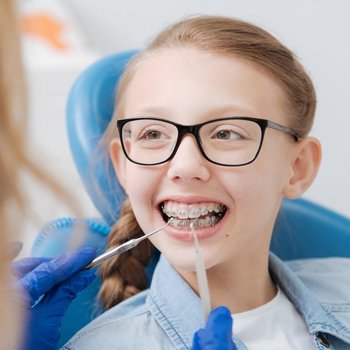

Keeping your teeth and gums healthy involves more than just brushing every morning and night. Your daily habits, the foods you eat, and how often you visit the dentist all play a role in protecting your smile. While cavities and gum disease are common, many oral health problems can be prevented with the right care and a little consistency.
Maintaining good oral health doesn’t have to be complicated. Small changes to your everyday routine can make a lasting difference, helping you prevent tooth decay, protect your gums, and keep your smile healthy for years to come.
 1. Brush Your Teeth Twice a Day
Brushing your teeth twice a day is one of the most important habits for maintaining healthy teeth and gums. Throughout the day, plaque builds up on your teeth, creating an environment where bacteria can contribute to cavities and gum inflammation. Brushing in the morning and before bed helps remove this buildup before it causes problems.
For the best results, brush for at least two minutes using a soft-bristled toothbrush and gentle, circular motions. Pay attention to the front, back, and chewing surfaces of every tooth, especially the areas along your gumline where plaque tends to accumulate. Avoid brushing too aggressively, as excessive pressure can irritate your gums and contribute to enamel wear over time.
2. Use Fluoride Toothpaste
Not all toothpastes provide the same level of protection against cavities. Choosing one that contains fluoride can help strengthen your tooth enamel and make it more resistant to the acids produced by bacteria in your mouth. Fluoride also supports remineralization, a natural process that helps repair early areas of enamel weakening before cavities develop.
When shopping for toothpaste, look for a fluoride-containing option with the American Dental Association (ADA) Seal of Acceptance. Using fluoride toothpaste consistently as part of your brushing routine is a simple way to give your teeth additional protection against decay. After brushing, spit out the excess toothpaste rather than rinsing immediately with water to allow the fluoride to remain on your teeth longer.
3. Floss Every Day
Even if you brush thoroughly twice a day, your toothbrush can’t reach every surface of your teeth. Plaque and food particles can collect in the tight spaces between teeth, increasing your risk of cavities and gum inflammation. Flossing once a day helps remove this buildup and keeps areas that are difficult to reach with a toothbrush clean.
If traditional dental floss is difficult to use, consider floss picks, interdental brushes, or a water flosser. The most important thing is finding a method that works for you and making it part of your daily oral hygiene routine.
4. Don’t Brush Too Hard
Brushing harder doesn’t mean you’re cleaning your teeth more effectively. In fact, using too much pressure can irritate your gums, contribute to gum recession, and gradually wear down tooth enamel. Instead, use a soft-bristled toothbrush and gentle, controlled movements to remove plaque without damaging your teeth or gums. If your toothbrush bristles become frayed or flattened quickly, it may be a sign that you’re brushing too aggressively.
5. Limit Sugary and Acidic Foods and Drinks
What you eat and drink can have a significant impact on your oral health. Sugary foods and beverages provide fuel for bacteria that produce acids, which can weaken tooth enamel and contribute to cavities. Acidic drinks, including soda, sports drinks, and certain fruit juices, can also gradually wear away enamel with frequent exposure.
You don’t have to eliminate every sweet treat or acidic food from your diet, but moderation and timing matter. Frequently sipping sugary drinks or snacking throughout the day exposes your teeth to repeated acid attacks. Try enjoying these foods with meals rather than continuously throughout the day, and rinse your mouth with water afterward to help wash away lingering sugars and acids.
6. Drink Plenty of Water
Water is one of the best beverages for maintaining healthy teeth and gums. It helps rinse away food particles, dilutes acids in your mouth, and supports saliva production, which plays an important role in protecting tooth enamel. Drinking fluoridated water can also provide additional protection against cavities.
Make water your go-to drink throughout the day, especially after meals and snacks. It’s a simple habit that benefits both your oral health and overall well-being.
7. Eat Foods That Support Your Oral Health
A balanced diet does more than support your overall health. It also provides the nutrients your teeth and gums need to stay strong. Calcium-rich foods like milk, yogurt, and cheese help maintain strong teeth, while foods containing vitamin C, such as strawberries, bell peppers, and citrus fruits, support healthy gum tissue.
Crunchy fruits and vegetables, including apples, carrots, and celery, can also be beneficial because chewing stimulates saliva production. Saliva helps wash away food particles and neutralize acids that can damage enamel. While these foods don’t replace brushing and flossing, incorporating them into your diet can help support a healthier mouth.
8. Avoid Tobacco and Nicotine Products
Smoking and other tobacco products can significantly affect your oral health, increasing the risk of gum disease, tooth discoloration, bad breath, delayed healing, and oral cancer. Tobacco use can also make it more difficult for your gums to recover from infections or dental procedures.
Vaping isn’t a harmless alternative for your teeth and gums, either. E-cigarettes can contribute to dry mouth and expose oral tissues to potentially harmful substances. Avoiding tobacco and nicotine products is one of the most important steps you can take to protect your smile and overall health.
9. Pay Attention to Changes in Your Mouth
Your mouth can provide early warning signs when something isn’t right. Bleeding gums, persistent bad breath, tooth sensitivity, or changes in the appearance of your teeth and gums may indicate an underlying dental problem.
Pay attention to symptoms that don’t improve or seem to be getting worse. For example, gums that regularly bleed when brushing could be a sign of gingivitis, while persistent tooth sensitivity may point to enamel wear, gum recession, or tooth decay. Sores that don’t heal, unusual lumps, or unexplained changes in your mouth should also be evaluated by a dental professional.
Catching these changes early can make treatment simpler and help prevent minor concerns from developing into more serious oral health problems.
10. Keep Up With Regular Dental Checkups
Even with excellent brushing and flossing habits, regular dental visits remain an essential part of maintaining healthy teeth and gums. Professional cleanings remove hardened plaque, known as tartar, that can’t be eliminated with a toothbrush or floss. Dental exams also allow your dentist to identify early signs of cavities, gum disease, and other concerns before they become more serious.
Many patients benefit from dental checkups and cleanings approximately every six months, although some may need more frequent visits depending on their oral health. Your dentist in Davie, Florida, can recommend an appropriate schedule based on your individual needs, helping you maintain a healthy smile over the long term.
Common Oral Health Habits That Can Do More Harm Than Good
Even with a consistent oral hygiene routine, certain everyday habits can unintentionally damage your teeth and gums. Some of these mistakes may seem harmless, but over time, they can contribute to enamel wear, gum irritation, and other dental problems. Recognizing these habits and making small adjustments can help you better protect your oral health.
Brushing Too Hard
While brushing regularly is essential, applying too much pressure can do more harm than good. Aggressive brushing can irritate your gums, contribute to gum recession, and gradually wear away tooth enamel. Instead of scrubbing forcefully, use a soft-bristled toothbrush and gentle, circular motions to clean your teeth effectively without damaging the surrounding tissues.
Using Your Teeth as Tools
Your teeth are designed for biting and chewing food, not opening packages, tearing tape, or removing bottle caps. Using them as tools places unnecessary pressure on your enamel and can lead to chips, cracks, or even broken teeth. Keep scissors, bottle openers, and other appropriate tools nearby rather than risking damage to your smile.
Brushing Immediately After Acidic Foods or Drinks
Brushing right after consuming acidic foods or beverages may seem like a good way to keep your teeth clean, but it can actually contribute to enamel erosion. Acids temporarily soften the outer surface of your teeth, making them more vulnerable to wear from brushing. Instead, rinse your mouth with water and wait approximately 30 to 60 minutes before brushing to give your saliva time to help neutralize the acids.
Ignoring Bleeding Gums
It’s easy to dismiss occasional bleeding when brushing or flossing, especially if you’re not experiencing any pain. However, bleeding gums can be an early sign of gingivitis or another oral health concern. While brushing too aggressively can also cause bleeding, persistent symptoms shouldn’t be ignored. If your gums regularly bleed, appear swollen, or feel tender, schedule a dental appointment to identify the cause and prevent potential complications.
Signs It’s Time to See a Dentist
Even with a good oral hygiene routine, dental problems can still develop. Some symptoms are easy to overlook, especially when they don’t cause significant discomfort. However, changes in your teeth, gums, or bite can be early warning signs of an underlying issue. Knowing when to schedule a dental appointment can help you address problems before they become more serious.
Tooth Pain That Doesn’t Go Away
Occasional tooth sensitivity may not be cause for immediate concern, but persistent or worsening tooth pain shouldn’t be ignored. Discomfort when biting, sensitivity to hot or cold temperatures, or a constant toothache can indicate cavities, damaged enamel, or an infection. If the pain continues or interferes with your daily activities, schedule a dental appointment to identify the cause and determine the appropriate treatment.
Bleeding, Swollen, or Receding Gums
Healthy gums generally shouldn’t bleed during routine brushing or flossing. If you notice frequent bleeding, swelling, tenderness, or gums that appear to be pulling away from your teeth, it may be a sign of gum disease. These symptoms can develop gradually and may not cause significant pain in the early stages. Seeking professional care can help identify the problem and prevent further damage to your gums and supporting tissues.
Persistent Bad Breath
Bad breath can occasionally result from certain foods or temporary dry mouth, but an unpleasant odor that doesn’t improve with brushing, flossing, and regular oral hygiene may indicate an underlying dental problem. Persistent bad breath can be associated with plaque buildup, gum disease, cavities, or other oral health concerns. Your dentist can help determine the cause and recommend appropriate treatment.
Loose, Chipped, or Cracked Teeth
A loose permanent tooth or damage to your tooth structure should always be evaluated by a dentist. Chips and cracks can expose sensitive areas of the tooth, while unexplained looseness may indicate problems with the surrounding gums or supporting bone. Even if the damage isn’t painful, delaying treatment can allow the condition to worsen. Prompt dental care may help preserve the affected tooth and prevent additional complications.
Changes in Your Bite
If your teeth suddenly feel different when you bite down or you notice that your upper and lower teeth no longer fit together comfortably, it’s worth discussing with your dentist. Changes in your bite can result from shifting teeth, worn dental restorations, teeth grinding, or other dental conditions. Identifying the cause early can help prevent uneven tooth wear, discomfort, and additional oral health problems.
Schedule Your Next Dental Checkup Today
Maintaining healthy teeth and gums starts with consistent daily habits, but professional dental care is just as important. Regular checkups and cleanings help prevent common oral health problems, identify potential concerns early, and keep your smile healthy for years to come. Whether you’re due for a routine cleaning or have noticed changes in your teeth or gums, taking a proactive approach can make a lasting difference.
If you’re looking for a trusted Davie dentist or searching for a dentist near me in Broward County, our team is here to help. We provide comprehensive dental care to help patients of all ages maintain healthy teeth and gums. Schedule your next dental checkup today and take the next step toward a healthier, more confident smile.
October 16, 2026