
 Adult
Adult


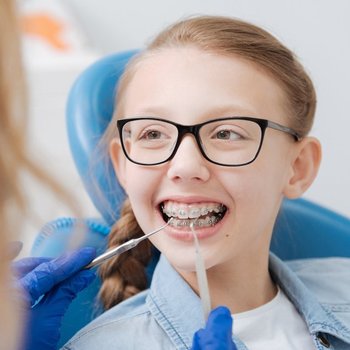

Many children face anxiety about visiting the dentist, a fear that can make routine appointments a challenge for both kids and parents. Understanding and addressing this dental anxiety is critical for ensuring your child receives the care they need for healthy teeth and gums throughout their life. In this article, we will explore practical strategies and tips to help alleviate your child’s fears and make dental visits a more positive experience. From preparing at home to techniques used by compassionate dental professionals, we’ll cover how you can support your child in overcoming their fear of the dentist’s chair.
Dental Anxiety is Very Common, Especially in Children
Dental anxiety is a widespread problem, particularly among children, which affects their ability to comfortably receive necessary dental care. This fear often originates from unfamiliar sounds, sights, and sensations associated with dental procedures, as well as anticipatory anxiety. Young children, who are naturally more sensitive to new environments, may find the experience especially daunting. Recognizing this as a common concern allows parents and dentists to approach the situation with empathy and effective strategies to mitigate these fears.
The Importance of Addressing Dental Fears Early On
Addressing a child’s dental fears early on can help create a positive relationship with dental care that lasts throughout their life. If these fears are not addressed early, they can turn into deep-seated phobias that may prevent the child from getting regular dental check-ups, leading to poor oral health. By dealing with dental fears proactively, parents and dental professionals can help children feel more comfortable and secure during dental appointments, making sure that they receive timely and consistent care essential for their overall health.
Understanding the Causes of Dental Anxiety
It is helpful to understand the root causes of dental anxiety in order to manage and alleviate it effectively. This type of anxiety can be triggered by a fear of pain, negative past experiences, or the anticipation of invasive procedures. Additionally, factors such as the sterile environment and the sounds of dental tools can contribute to heightened anxiety. By identifying these specific causes, targeted approaches can be taken to make dental visits less intimidating for anxious patients.
Fear of Pain
Fear of pain is a primary cause of dental anxiety, especially if someone anticipates discomfort associated with dental procedures. This fear often arises from personal experiences or stories shared by others, reinforcing the belief that dental treatments are painful.
Fear of the Unknown
The uncertainty of what will happen during a dental visit can be a significant anxiety trigger for many children. Not knowing the details of the procedures, the duration, or the potential discomfort can escalate fear, making dental visits daunting for little ones.
Negative Past Experiences
Previous traumatic experiences at the dentist’s office can profoundly impact a child’s willingness to return. Painful treatments, perceived negligence, or insensitivity from dental staff during earlier visits can lead to long-standing dental anxiety.
Influence from Family or Friends
Anxiety can also be influenced by the attitudes and experiences of family or friends. Hearing about negative dental experiences or observing a family member’s dental anxiety can predispose children to develop similar fears, even before their own encounters.
Sensory Overload
The dental office can be overwhelming for children due to the intense sensory environment. The sound of the drill, the smell of medicinal products, and the sight of dental instruments can all be too much, triggering anxiety. This is especially true for children who are sensitive to sensory input.
Fear of Losing Control
Sitting in a dental chair, unable to see what’s happening, and having little control over the process can evoke a fear of losing control. This vulnerability can be distressing and exacerbate anxiety during dental procedures.
Separation Anxiety
For children, and sometimes even for adults, separation anxiety from a parent or guardian during a dental procedure can contribute to dental fears. This type of anxiety is particularly common in young children who are not used to being away from their primary caregivers.
Recognizing the Signs of Dental Anxiety
Recognizing signs of dental anxiety is essential for timely and effective intervention. Common indicators include physical symptoms such as sweating, trembling, and palpitations. Behavioral signs might include avoidance of dental appointments, crying, or distress when dental topics are mentioned. Emotional expressions of fear or stress when thinking about or during dental visits are also key signs of dental anxiety.
Verbal Expressions of Fear
Expressions of fear that are communicated verbally are clear signs of dental anxiety. Patients may become vocal about their unease by discussing their worries over upcoming appointments or by recalling past negative experiences. They may also ask several questions about pain and procedures, seeking reassurance about the safety and necessity of dental treatments.
Avoidance Behavior 
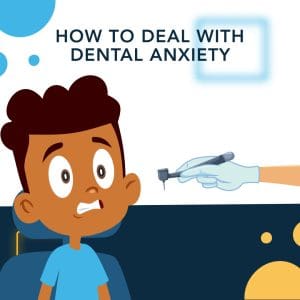
Avoidance behavior is a significant indicator of dental anxiety. When children repeatedly ask to miss dental appointments or show reluctance to discuss or engage in conversations about dental care, it may be a sign of underlying anxiety that is rooted in fear.
Physical Symptoms
Physical symptoms of dental anxiety can be quite pronounced, including sweating, increased heart rate, and even nausea. Some children may experience shaking or a sensation of feeling faint. These reactions are involuntary and occur most often when thinking about dental procedures or while in the dental office.
Aggression or Tantrums
Aggression or tantrums are common signs of dental anxiety, especially in children. These behaviors may manifest as yelling, crying, or refusing to enter the dental office. Such outbursts are often a child’s way of expressing fear and discomfort about the unknown aspects of dental treatment.
Clinginess
Clinginess is a behavioral sign of anxiety where individuals, particularly young children, might insist on physical closeness or refuse to be separated from a parent or guardian. This behavior often intensifies in the dental office as a response to the fear and anxiety of being in an unfamiliar, intimidating environment.
Questions & Concerns
Frequent questions and expressed concerns about dental visits can indicate anxiety. Children might repeatedly ask about the details of procedures, express worry over potential pain, or seek reassurance about the dentist’s experience. These verbal cues are attempts to gain control over the fear and uncertainty associated with dental care.
How to Alleviate Your Child’s Dental Fear
Alleviating your child’s dental fear starts with open communication. It’s important to discuss what to expect at the dentist in a positive, age-appropriate way, focusing on the benefits. It’s also a good idea to introduce your child to the dental environment gradually, perhaps with non-threatening visits that don’t involve treatment. Luckily, there are many ways to help your child overcome their fear of the dentist.
Visit the Dentist Early

Introducing your child to dental visits at an early age can help them get used to the experience and reduce anxiety. Early visits are usually simple check-ups that can help your child feel more comfortable and develop trust in the dentist, creating a positive foundation for future appointments. To schedule an appointment and begin introducing your child to a dentist who specializes in patients with anxiety, find a pediatric dentist near me in Broward County.
Choose the Right Dentist
Selecting a dentist who is experienced in treating children and understands how to address their fears can make a significant difference. Pediatric dentists are specially trained to create a comforting and engaging environment for children, helping to ease anxiety and foster a positive view of dental care.
Educational Resources
Utilizing educational resources such as books, videos, and apps about dental visits can demystify the process for a child. These tools explain procedures in child-friendly language, helping to alleviate fears by replacing uncertainty with knowledge and familiarity.
Role-Playing at Home
Engaging in role-playing at home can prepare your child for dental visits. Using toothbrushes, mirrors, and counting teeth can simulate the experience in a safe, familiar environment. This practice can help children feel more confident and less anxious about actual appointments.
Stay Calm & Supportive
Your own demeanor can influence how your child feels about dental visits. Staying calm and supportive, especially when your child is anxious, reassures them that there is nothing to fear. Your confidence can help alleviate their fears, leading to more positive experiences.
Keeping Your Child Calm During the Dental Visit
Introducing your child to the dentist’s office can be a daunting experience. However, you can help ease their nerves and ensure a smooth visit by using a few simple strategies. For instance, bring along their favorite toy or book to provide comfort and distraction. Engage your child in gentle conversation about non-dental topics to help them relax. By implementing these and other techniques, you can help your child feel more at ease and make their dental visit a positive experience.
Discuss What to Expect
It is important to have a conversation with your child before their visit to the doctor. You should explain the steps of the visit to your child in simple and reassuring terms. This will help demystify the process and reduce any fear of the unknown. Having a pre-visit conversation with your child can make them feel prepared and less anxious about what to expect during the visit.
Visit a Pediatric Dentist
Pediatric dentists are professionals who are trained to handle children’s dental anxiety and make their visits enjoyable. Their dental clinics are usually designed with children in mind, with colorful decorations and engaging activities to keep them entertained. Because of their specialized training in dealing with children, pediatric dentists provide a more supportive and understanding approach, making the overall dental experience more comfortable for children.
Schedule Wisely
When scheduling a dental appointment for your child, it’s important to consider their usual routine. Choose a time when they are typically well-rested and cooperative, avoiding scheduling during nap times or immediately after school when they might be tired or hungry. A well-timed appointment can make a significant difference in your child’s comfort and mood during the visit.
Bring Comfort Items
It can be helpful to let your child bring along their favorite toy, blanket, or other comfort items to the appointment. These familiar objects can provide a sense of security and help to soothe their nerves. For older children, bringing a book or handheld game that can keep them occupied while waiting may also be beneficial.
Use Positive Reinforcement
To ensure a positive dental visit for your child, it is important to use positive reinforcement throughout their appointment. Be sure to praise your child for their bravery and cooperation during the visit. Afterward, discuss the visit positively with your child. You can also consider creating a small reward system for after the appointment, such as a visit to their favorite park or a small treat. This will help to create positive associations with the dentist and make future visits more pleasant for your child.
Stay with Your Child
Staying in the room during your child’s dental appointment can be a great way to provide emotional support and calm their fears. Your presence can reassure them and help them feel more comfortable. If the dentist allows it, you may be able to hold your child’s hand or stay in their line of sight to help them through any moments of anxiety.
Why are Regular Dental Checkups Important for Children?
Establishing a routine of regular dental checkups is crucial for children to promote healthy development of their teeth and gums. These checkups serve as opportunities for early detection and intervention against issues such as cavities or misalignments, preventing them from escalating into more serious problems. By prioritizing these checkups, you set the foundation for lifelong dental wellness in your child.
Early Detection of Problems
Regular dental checkups allow for the early detection of problems such as cavities, gum disease, and developmental issues. Catching these problems early can lead to simpler and less invasive treatments, saving time, discomfort, and expense in the long run.
Prevention of Tooth Decay
Regular checkups help prevent tooth decay through professional cleanings and the application of fluoride treatments or dental sealants. These visits also allow dentists to teach children how to brush and floss effectively, further reducing the risk of cavities.
Monitoring Growth & Development
Dental checkups are important for monitoring the growth and development of a child’s teeth and jaw. Dentists can identify and address potential alignment issues or other oral health concerns early, often reducing the need for more extensive orthodontic treatment later.
Building Good Oral Health Habits
Consistent dental visits reinforce the importance of maintaining good oral hygiene. They help establish a routine of regular dental care, teaching children the responsibility of looking after their teeth. This foundation helps instill lifelong oral health habits.
Schedule a Dental Checkup Appointment
If your child feels nervous about visiting the dentist, scheduling a dental checkup appointment is the first step towards overcoming those fears. Our friendly Davie dentist team specializes in caring for anxious children, creating a safe and welcoming environment. We’ll take the time to listen to your child’s concerns and ensure they feel comfortable every step of the way. Together, we can make their dental visit a positive experience they won’t dread. Call our office to schedule a checkup with a dentist in Davie, FL, today.
November 8, 2024