
 Adult
Adult




Smoking is widely recognized as a major health hazard that can result in severe illnesses like lung cancer, heart disease, and stroke. Unfortunately, the impact of smoking on dental health is often disregarded. Smoking can cause various oral health problems that can result in inflammation, discomfort, and even tooth loss. Read on to learn the effects of smoking on oral health and the potential issues that may arise from it.
Increased Risk of Periodontal Disease
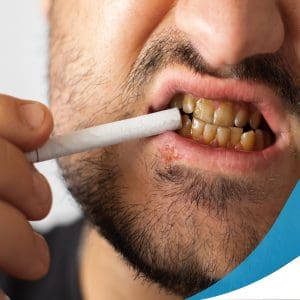
Smoking is a major risk factor for periodontal disease, a bacterial infection that affects the gums and supporting tissues of the teeth. Smoking weakens the immune system, making it harder for the body to fight infection.
Bad Breath
The smell of tobacco smoke lingers in the mouth and can be difficult to mask with mints or gum. Smoking can also dry out the mouth, leading to a buildup of bacteria and further exacerbating bad breath.
Increased Risk of Oral Cancer
Smokers are six times more likely to develop oral cancer than non-smokers, and the risk increases with the number of daily cigarettes. Oral cancer can be deadly if not detected and treated early. Smoking is the leading cause of oral cancer, which affects the mouth and throat.
Delayed Healing After Dental Procedures
Smoking can interfere with the body’s healing ability after dental procedures, such as tooth extraction or oral surgery. It also reduces blood flow to the affected area, which can delay healing and increase the risk of infection.
 Stained Teeth
 Stained Teeth
The nicotine and tar in cigarette smoke can penetrate the enamel of the teeth, causing unsightly stains that are difficult to remove with brushing or whitening treatments. It will cause teeth to become discolored and yellowed over time.
Increased Risk of Tooth Decay
Smoking can increase the risk of tooth decay by reducing saliva production. Saliva helps to neutralize acids in the mouth that can erode tooth enamel and cause cavities. It also causes dry mouth, leading to a buildup of bacteria and further increasing the risk of tooth decay.
Tooth Loss
Smokers are more likely to have gum disease, which can cause teeth to become loose and eventually fall out. Smoking can also interfere with the success of dental implants and other tooth replacement options.
Gum Recession
Smoking can cause the gums to recede, exposing the roots of the teeth. This can lead to tooth sensitivity and an increased risk of tooth decay and gum disease.
Schedule a Dental Exam
Understanding the risks of smoking can help you make informed decisions about your oral health and overall well-being. If you smoke, quitting is the best way to protect your oral health and reduce your risk of developing serious health problems. Schedule a dental exam with our Plantation, Tamarac, or Davie dentists to take steps toward a healthier smile!
May 8, 2023