
 Adult
Adult


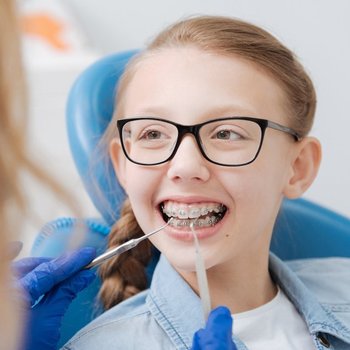

Keeping your child’s teeth healthy isn’t just about bright smiles. It’s also about building strong habits that last a lifetime! From the moment baby teeth appear, parents play a crucial role in shaping oral hygiene routines, preventing cavities, and making dental care a normal part of everyday life.
The good news? With the right guidance, a healthy diet, and support from your family dentist, caring for your child’s teeth can be simple and stress-free. In this article, we’ll walk you through the most important best practices so you can help your child grow up with a confident, cavity-free smile.
Why Is Dental Health Important for Kids?
Children’s dental health affects far more than just their teeth. Healthy gums and strong teeth support proper speech development, comfortable chewing, and a confident smile. More importantly, good oral habits established in childhood often carry into adulthood, reducing the risk of serious dental issues later in life.
Ignoring early dental care can lead to cavities, infections, and even issues with permanent tooth development. Untreated problems can cause pain, missed school days, or difficulty eating and speaking. The earlier parents prioritize dental care, the easier it becomes to prevent these complications and promote lifelong wellness.
How Can You Teach Kids Good Dental Habits?
Helping kids build strong dental habits early makes it more likely they’ll maintain them as they grow. Children don’t instinctively know how to care for their teeth, so it’s up to parents and caregivers to guide them with patience, structure, and consistency. By teaching the right techniques and creating a positive experience around daily care, you can make oral hygiene something they enjoy instead of something they avoid.
Brushing Technique for Kids
Children should brush their teeth twice a day using small, gentle circles along the gumline and chewing surfaces. For children under 3, use a soft-bristled toothbrush and a rice-sized amount of fluoride toothpaste, or a pea-sized amount for older kids. Supervise and assist until they’re able to brush thoroughly on their own, which is usually around the age of 6 or 7. Remind them to brush for two full minutes and to reach all areas, including the back molars and along the gums.
Daily Flossing
Flossing is just as important as brushing, especially as kids’ teeth start to fit more closely together. Begin flossing for your child once any two teeth touch. Use kid-friendly floss picks or soft string floss to clean between each tooth, including behind the back ones. As children develop coordination, guide them to floss on their own. Making flossing a part of their routine early helps prevent cavities in hard-to-reach areas and builds lifelong habits.
Turning Brushing into a Fun Activity
Kids are more likely to participate in daily dental care when it doesn’t feel like a chore. Turn brushing into a fun moment by brushing together, making silly faces in the mirror, or letting them pick their toothbrush and toothpaste. Involving your child in the process makes it feel personal and gives them a sense of ownership. If they associate brushing with something positive, they’re more likely to stick with it.
Using Music, Timers, and Rewards
A timer or two-minute song can help make brushing feel more like a game and less like a countdown. Many kids’ toothbrushes even come with built-in lights or timers to make the process fun. You can also use a sticker chart or simple reward system to encourage consistency, especially for younger children. Celebrate milestones like a full week of brushing without reminders to help reinforce good habits.
Creating a Morning and Bedtime Routine
Routine is one of the most powerful tools in teaching responsibility and hygiene. Establish brushing and flossing as non-negotiable parts of both the morning and bedtime schedule. By keeping dental care tied to specific times of day, it becomes a habit rather than an occasional task. Over time, kids will begin doing it on their own without prompting because it feels natural and expected.
What Foods Help Keep Kids’ Teeth Healthy?
What your child eats can have a big impact on their oral health. While brushing and flossing are essential, nutrition plays a major role in keeping teeth strong, gums healthy, and cavities at bay. By choosing the right foods and limiting the ones that contribute to decay, you can help protect your child’s smile from the inside out.
Tooth-Friendly Snacks and Drinks
The best snacks for your child’s teeth are low in sugar and high in nutrients. Cheese, yogurt, hard-boiled eggs, nuts (for older children), and whole-grain crackers are all good choices. When it comes to drinks, water is always the best option. It helps rinse away food particles and acids, and it doesn’t feed cavity-causing bacteria like juice or soda can. If your child does have a sugary snack, offer it with a meal rather than on its own, and follow it with water to help neutralize acids.
Fruits and Veggies
Crunchy fruits and vegetables like apples, carrots, and celery act as natural toothbrushes. They help clean teeth, stimulate saliva production, and provide essential vitamins for healthy gums. Leafy greens like spinach and kale are also packed with minerals that strengthen enamel. Encourage your child to snack on whole fruits and veggies instead of sticky or processed snacks that can cling to teeth and cause decay.
Calcium and Vitamin D
Calcium is a building block for strong teeth, and vitamin D helps the body absorb it effectively. Together, they support healthy enamel and bone development in growing kids. Good sources of calcium include milk, cheese, yogurt, and leafy greens. For vitamin D, look for fortified dairy products, eggs, and safe sun exposure. Some pediatricians may also recommend supplements depending on your child’s diet and needs.
Fluoride in Drinking Water
Fluoride is a natural mineral that helps protect teeth by strengthening enamel and making it more resistant to decay. Many public water systems are fluoridated, giving children a safe and effective source of protection throughout the day. If your family drinks bottled or filtered water, talk to your dentist about whether your child might benefit from fluoride supplements or treatments. Combined with brushing and professional cleanings, fluoride helps keep young smiles strong and cavity-free.
How Do You Prevent Cavities in Children?
Cavities are one of the most common childhood health issues, but they are also one of the most preventable. With the right habits and professional care, you can protect your child’s teeth and avoid the discomfort, cost, and complications that come with tooth decay. Here are three of the most effective ways to prevent cavities from forming in the first place.
Brushing and Flossing

Daily brushing and flossing are the first line of defense against cavities. Brushing twice a day removes plaque and food particles from the surface of the teeth, while flossing cleans between the teeth and below the gumline where a toothbrush can’t reach. Encourage your child to brush for a full two minutes and to floss once a day. Until they are old enough to do a thorough job on their own, supervision and assistance are important.
Using Fluoride to Strengthen Enamel
Fluoride is a powerful tool in preventing cavities. It strengthens tooth enamel, making it more resistant to acid and decay. Most kids get fluoride through toothpaste and tap water, but some may benefit from professional fluoride treatments during their dental visits. If you’re unsure whether your child is getting enough, ask your dentist for guidance based on your child’s age, risk level, and water source.
Dental Sealants
Sealants are thin, protective coatings applied to the chewing surfaces of the back teeth, where cavities are most likely to form. These molars have deep grooves that can trap food and bacteria, even with good brushing habits. Sealants act as a barrier to prevent decay and are especially helpful for children who are still learning to care for their teeth. Applying sealants is quick, painless, and highly effective.
Recognizing Early Signs of Decay
Cavities often start small and may not cause pain right away, which is why it’s important to know what to look for. Early signs can include white spots on the teeth, mild sensitivity to cold or sweets, or complaints about food getting stuck in certain areas. If your child mentions discomfort or you notice discoloration, schedule a dental exam as soon as possible. Catching decay early can prevent the need for more invasive treatment later on.
Reducing Snacking Frequency
Frequent snacking, especially on carbohydrates and sugary foods, gives cavity-causing bacteria more chances to produce acid that attacks the teeth. Instead of grazing throughout the day, encourage your child to eat regular meals and limit snacks to specific times. This gives the mouth time to neutralize acid and allows saliva to do its job in cleaning and protecting the teeth.
Limiting Sugar and Acidic Snacks
Sugary and acidic foods are some of the biggest contributors to tooth decay. Sticky candies, fruit snacks, juice, and soda can cling to the teeth and create an ideal environment for bacteria. Try to limit these treats and offer them with meals instead of on their own. Rinse with water afterward, and avoid sending kids to bed with milk or juice in a bottle or sippy cup, as this can lead to “baby bottle tooth decay.”
Regular Professional Cleanings
Even with great brushing and flossing at home, plaque and tartar can still build up over time. Professional cleanings every six months allow your child’s dentist or hygienist to remove buildup, check for signs of decay, and monitor how permanent teeth are coming in. These visits also help reinforce good habits and give parents personalized tips for improving at-home care.
How Can You Make Oral Care a Lifelong Habit?
Helping your child develop good dental habits is not just about today’s routine. It’s about setting the stage for a lifetime of healthy choices. When oral care becomes a natural part of daily life early on, it’s more likely to stick as your child grows. The key is consistency, encouragement, and modeling those same habits yourself.
Setting a Good Example at Home
 Setting a Good Example at Home
Kids learn by watching, and one of the most effective ways to teach oral hygiene is to show them that it matters to you too. Let your child see you brushing and flossing every day. Talk about why you do it and how it helps keep your smile healthy. When they see you making dental care a priority, they’ll be more likely to follow your lead without resistance.
Making Oral Health Part of Family Routines
Routines provide structure, and structure builds habits. Brushing and flossing should be non-negotiable parts of your child’s morning and bedtime rituals, just like getting dressed or reading a book. Keep toothbrushes and floss easily accessible and create a calm, distraction-free environment during brushing time. The more predictable and automatic the routine becomes, the less likely your child will be to skip it.
Using Brushing Charts and Habit Trackers
Visual tools like brushing charts, calendars, or sticker boards can make dental care more engaging for kids. They help children stay accountable and feel a sense of achievement as they track their progress. For younger kids, a small reward after a full week of brushing without reminders can go a long way. These tools make routines feel like goals rather than chores, which helps build consistency.
Positive Reinforcement for Consistency
Positive reinforcement is a powerful motivator, especially for young children. Praise your child for brushing and flossing without being asked, or acknowledge their effort when they stick to the routine. Small rewards like choosing a bedtime story, earning a sticker, or picking out a new toothbrush can encourage consistency. The goal is to help kids feel good about taking care of their teeth, so the habit becomes something they want to maintain, not something they feel forced to do.
Reinforcing Dental Visits as a Normal Routine
Some children may feel anxious about going to the dentist, especially if it’s new or unfamiliar. You can help ease that anxiety by treating dental visits as a regular and positive part of life. Talk about the appointment in a calm and friendly way, and avoid using words like “hurt” or “pain.” Bring comfort items if needed, and consider reading books or watching videos about visiting the dentist ahead of time. When children see dental visits as routine and non-threatening, they’re more likely to grow up without fear or avoidance of professional care.
Transitioning Responsibility as Kids Grow
As your child becomes more independent, gradually shift responsibility for oral care into their hands. Let them take the lead while you supervise, then reduce oversight as they show consistency and proper technique. Encourage them to set their own reminders, keep their dental supplies organized, and ask questions about their oral health. This transition helps build confidence and sets the expectation that caring for their teeth is their responsibility as they grow.
Schedule Your Next Dental Checkup Today
From daily brushing routines to healthy snacks and regular encouragement, there are many ways to protect your child’s smile at home. But no matter how strong your habits are, professional dental care is still an essential part of keeping their teeth and gums healthy.
Routine checkups allow your dentist to spot early signs of cavities, monitor growth and development, and provide treatments like cleanings, fluoride, and sealants that can’t be done at home. These visits also reinforce everything you’ve worked on with your child, turning oral care into a lifelong habit.
If it’s been more than six months since your child’s last appointment, now is the perfect time to schedule one. A trusted Davie dentist or dentist near me in Broward County can provide the expert care and support your child needs to grow up with a happy, confident, and healthy smile.
December 26, 2025