
 Adult
Adult



A bright, white smile is a universal symbol of health and beauty. Over the past few years, teeth whitening has become one of the most sought-after cosmetic dental procedures. But have you ever wondered how it actually works? Let’s dive into the science behind teeth whitening to understand its efficacy and safety.
The Basics of Tooth Discoloration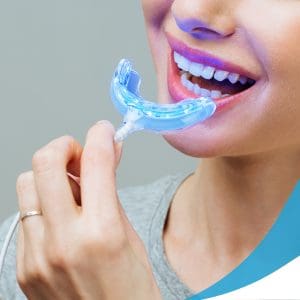
Before delving into whitening, it’s essential to understand why teeth become discolored in the first place. There are two primary types of stains:
- Extrinsic Stains: These are surface stains caused by external factors like coffee, tea, wine, tobacco, and certain foods. They affect the outer layer of the tooth, known as the enamel.
- Intrinsic Stains: These are deep-set stains that affect the inner structure of the tooth, called dentin. Causes might include certain medications, trauma, or overexposure to fluoride during childhood.
How Teeth Whitening Works
- The Role of Peroxide: The main active ingredient in most whitening products, whether over-the-counter or professional, is peroxide (hydrogen peroxide or carbamide peroxide). Peroxide acts as a bleaching agent that breaks stains into smaller pieces, making them less concentrated and leaving your teeth brighter.
- Penetration: When you apply a whitening product, the peroxide solution penetrates the enamel to reach the discolored molecules inside your teeth.
- Breaking Down Stains: Peroxide is an oxidizing agent. When it interacts with the stained molecules, it releases oxygen. This oxygen breaks the bonds of the stained molecules, rendering them colorless.
 Professional vs. Over-the-Counter Whitening
 Professional vs. Over-the-Counter Whitening
- Over-the-Counter Kits: These are readily available and can effectively treat extrinsic stains. However, due to safety regulations, the concentration of peroxide in these products is relatively low.
- Professional Whitening: Performed under the supervision of a dentist, professional whitening uses a higher concentration of peroxide, offering faster and more pronounced results. It can address both extrinsic and intrinsic stains.
Safety and Sensitivity
Teeth whitening is generally safe when the products are used as directed. However, overuse or using products with a high peroxide concentration without professional guidance can lead to gum irritation and tooth sensitivity. It’s always recommended to consult with your dentist before starting any whitening treatment.
Schedule a Cosmetic Dentistry Appointment
The allure of a dazzling white smile is undeniable, and thanks to the science behind teeth whitening, achieving that glow is more accessible than ever. However, as with all dental procedures, understanding the process and seeking professional advice ensures not only the beauty of your smile but its health, too. For personalized recommendations and safe teeth whitening procedures, call our Davie dentist office and schedule a cosmetic dentistry consultation. Let’s make your smile shine its brightest!
November 24, 2023